
Coin, token, and stablecoin
Coin — a native network asset, such as BTC or ETH. Token issued on top of an existing network. Stablecoin aims to maintain its price relative to a currency or another asset, but carries issuer, reserve, and regulatory risks.
Why cryptocurrencies are used
- Transfers without a banking settlement window, if the network and recipient are available.
- Payment of network fees and operation of blockchain applications.
- Storage or transfer of a digital asset.
- Trading and investment scenarios with high volatility.
Wallet, address and key
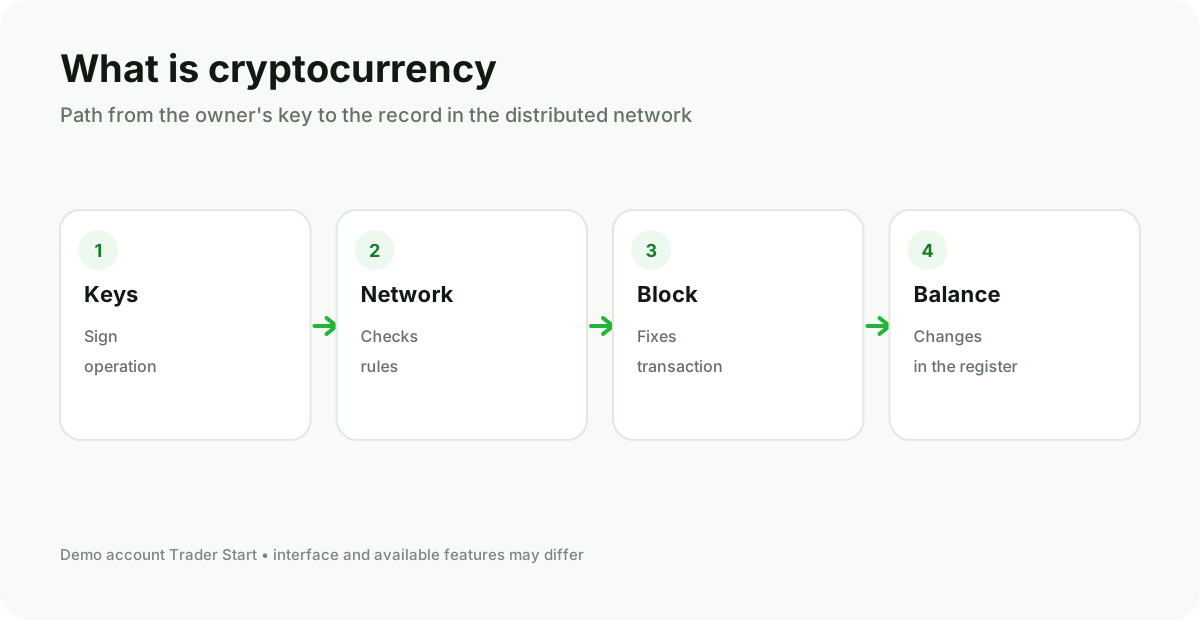
The address can be shared to receive funds. The private key or seed phrase must not be given to anyone: the key holder can sign a transfer. An exchange balance means that the keys are usually controlled by the exchange; a self‑custody wallet places all responsibility on the user.
The main practical risk: Before sending, verify the asset, network, address and memo/tag. An incompatible network or a missing memo can result in loss of funds or a prolonged recovery process.
Where to start
First, study the workings of blockchain, then the difference between spot, margin, and derivatives. If Binance is available in your country, the full interface, network and order flow is covered in the Binance guide.