
What is in the block
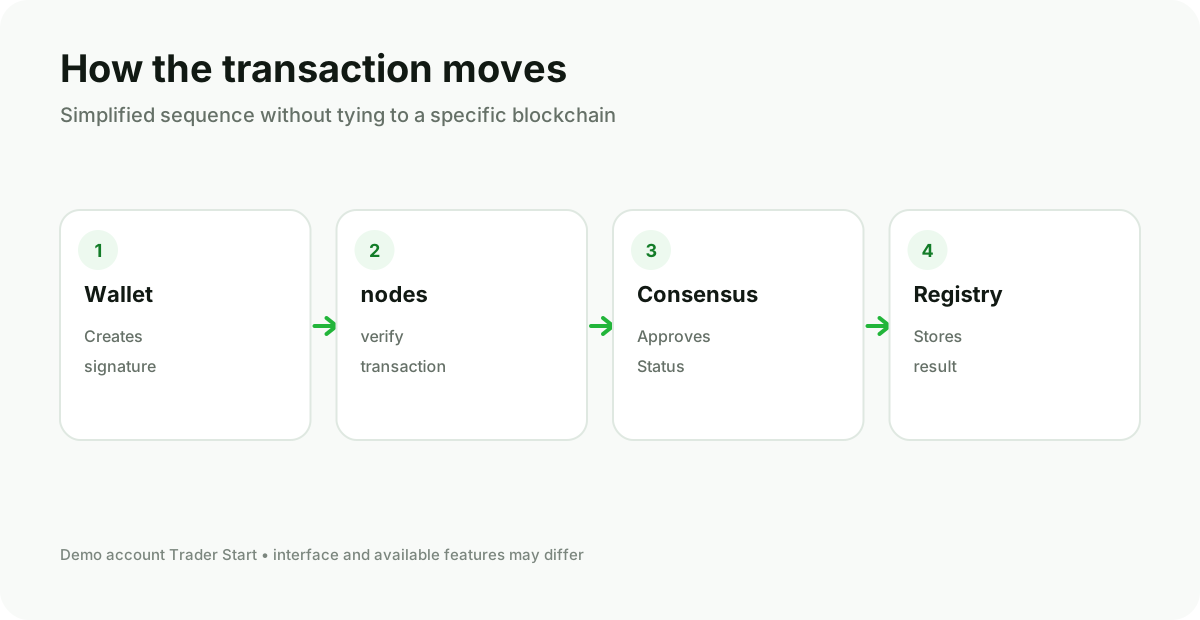
A block combines a set of transactions and service data. References to previous data help detect attempts to alter history. Nodes independently verify the network rules, and the consensus mechanism determines which state is considered valid.
Confirmations and finality
A sent transaction first enters the queue, then gets included in a block. The number of confirmations and the notion of finality vary. Therefore, exchanges set their own required number of confirmations before crediting.
Fee and congestion
The fee is paid to the network, not to the recipient. Under high load it can increase. Choosing a different network solely for a lower fee is permissible if both parties support that specific network and the same asset.
Smart contracts and risks
A smart contract executes code according to the network rules. It may contain a bug, have administrative keys, or depend on an external data source. Do not confuse technical automation with a security guarantee.